
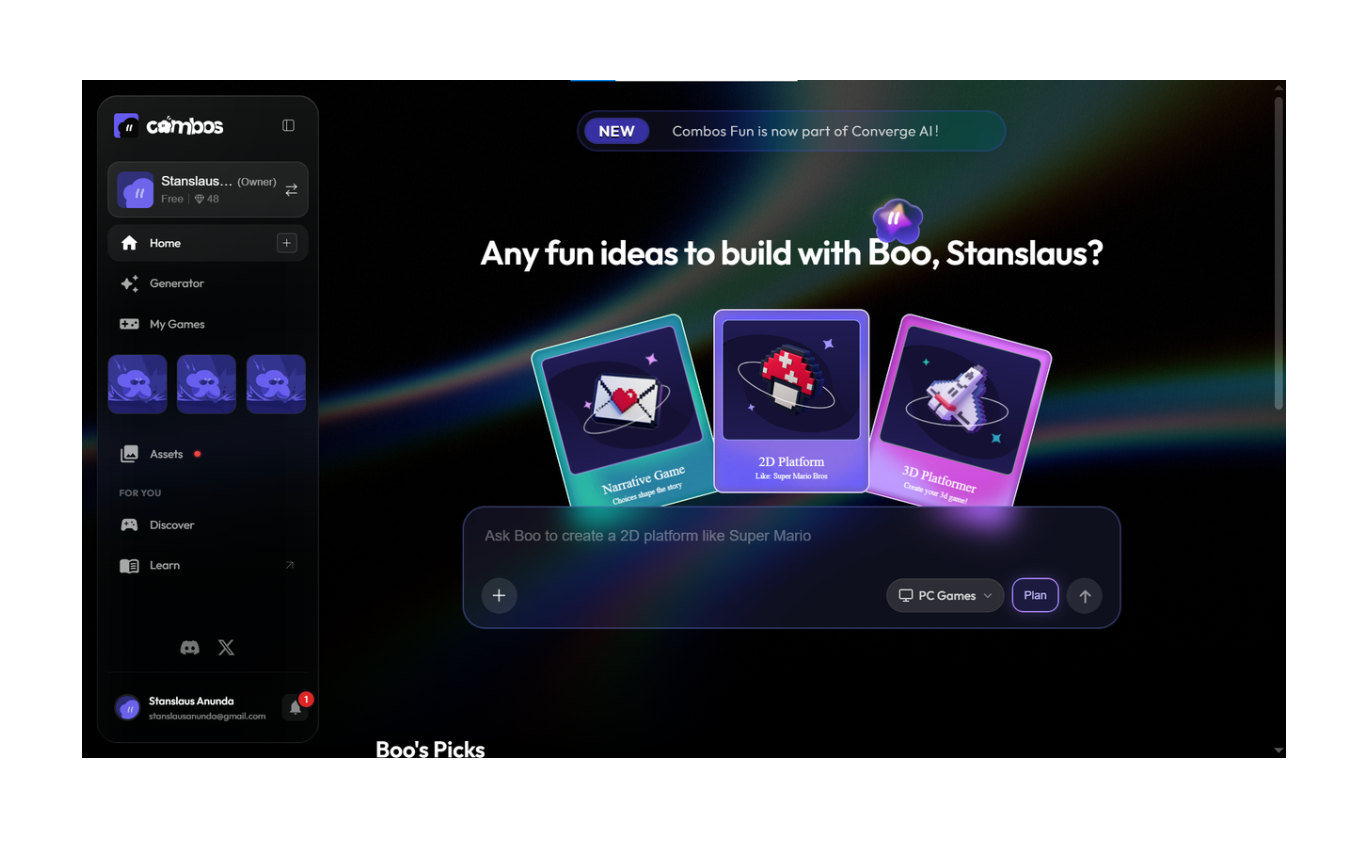
Indie has always been constrained. Every hour lost in battling an engine and not working on the game itself is an hour lost to the game the players will experience, with no publisher safety net, limited budgets, and small teams. For years, this was a trade-off that one simply had to make if they wanted to get in; they learned that, technically, there was no other way in.No-code tools aren't trying to replace powerful engines for big titles; rather, they offer a quicker way for a single creator or a small group of creators to prototype, test, and even ship smaller titles. An ai game builder allows an indie developer to voice a concept and obtain a functioning build of it back in an instant, transforming the number of concepts that are actually tested and ultimately picked out for further investment.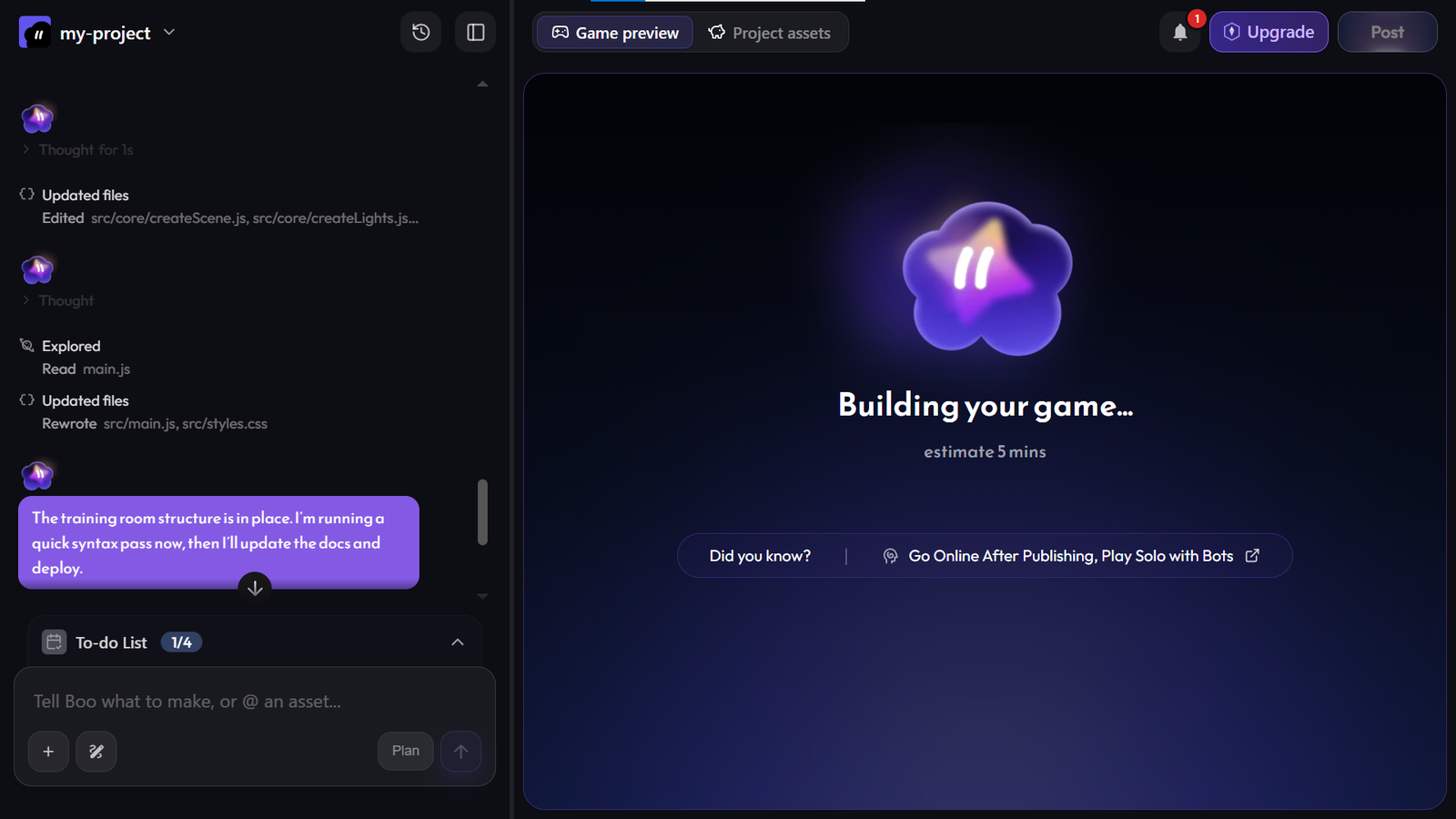
The Real Bottleneck Was Never Creativity
When it comes to ideas, indie developers have no dearth. The lack is that they don't have the time or technical bandwidth to test all of them. A solo developer with five ideas for games has traditionally had to test out a few of them, since prototyping each one of the ideas with the good old-fashioned method, in which the developer builds a working prototype from scratch, takes time. A quick overview of how much indie development success can be attributed to the ideas that get tested early, and the ideas that get killed on a whiteboard.That's the No-Code, AI-driven prototyping that changes all that. Testing five ideas in an afternoon instead of five months means the idea that gets full development investment is chosen based on how it actually plays, not just how it sounds on paper.Where No-Code Fits Into an Indie Workflow
Early prototyping: validate a mechanic or concept before committing engine time to it
Jam projects: build something complete and playable within a tight game jam window
Marketing assets: create a playable teaser or companion mini-game for a larger title in development
Solo projects with limited scope: ship a small, complete game without needing a team
What This Doesn't Replace
Let's be honest here: no-code tools are not a viable solution for a project with a long, long life cycle that requires deep systems, custom rendering or years of further development. If your indie project is the kind that needs a dedicated engine and a multi-year roadmap, that's still the right tool for that job. The changes that used to take much time before a “real” build were the no-code changes: the decision, the testing, the validating, the prototyping… up to the point of a decision.A Different Kind of Indie Creator Is Emerging
The larger change is underway at the same time as the tooling change: those who would not have described themselves as indie developers because they don't code are creating and publishing fully fledged, small games. These were all people who had a great idea for a story, a great idea for a design, a dream of their own about mechanics that they wanted to try, but none of them had a practical way in which the story could be made real, the design could be realized, and the mechanic could be put into the game without the developer first.That doesn't mean that there is less indie development, it means more people are getting to do it. The games released from this larger pool are generally smaller in scale, and that's not a bad thing – some of the best indie concepts are always small, sharp, and not big productions.A Concrete Example of Prototyping Fast
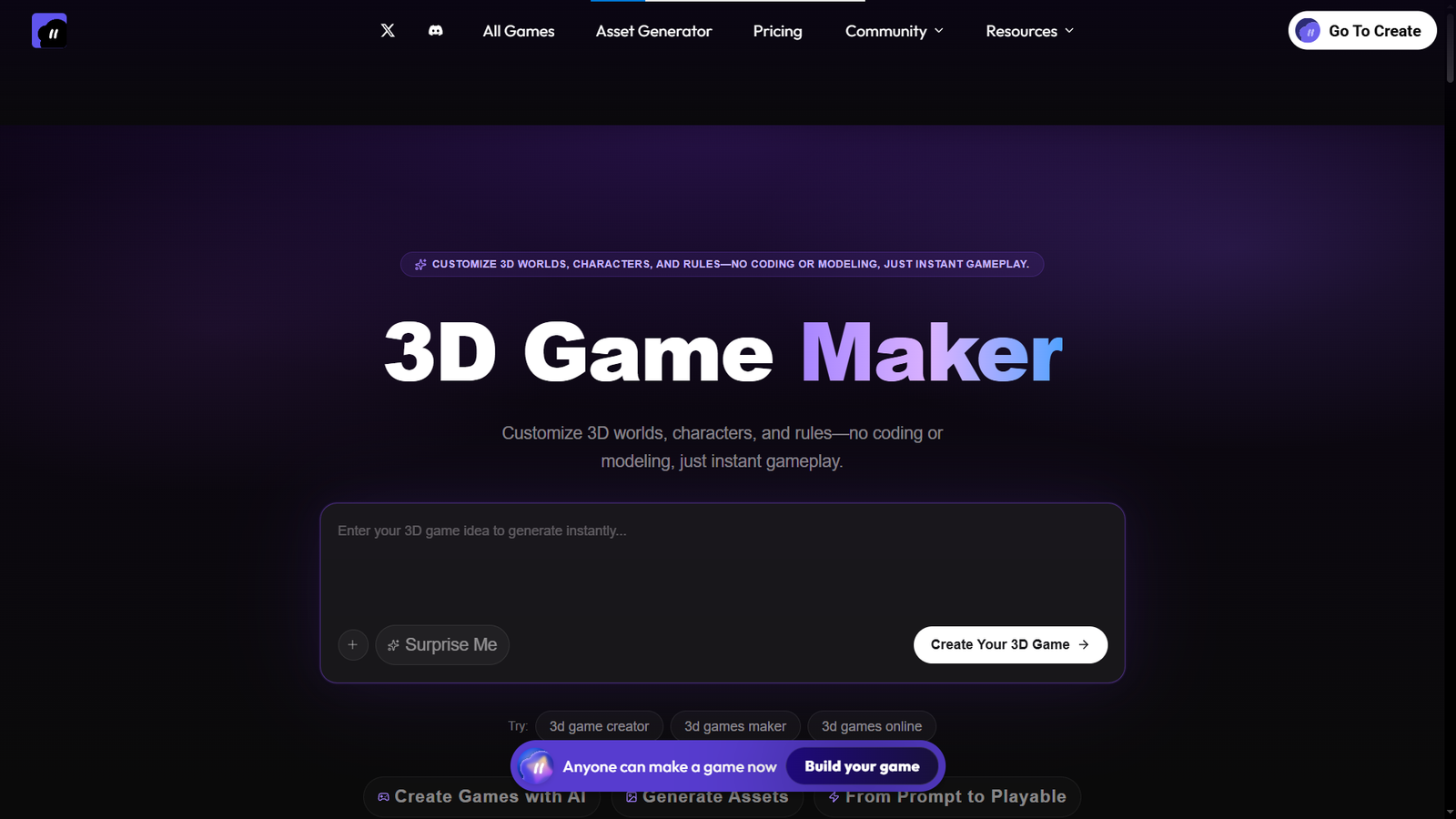
Suppose there is a single creator with a concept for a survival game in which scarcity of resources makes for hard choices between characters in a village of just a couple dozen individuals. The process of determining whether that core tension is actually fun would require building a playable prototype of the game and then spending weeks to find out whether it was fun. With a prompt-driven build, that same creator can describe the scarcity mechanic and the settlement scenario, get a working version back the same day, and actually play through it to see whether the tension feels compelling or just frustrating.The actual benefit is that quick feedback loop. It is not like they are using an AI prototype as the final shipped product, it's that a discovery of a mechanic that doesn't work costs an afternoon rather than a month, so more concepts get tested and the ones that get full development investment are chosen based on actual playtesting data rather than gut instincts. The same goes for concepts that require real visual depth from the first: a solo developer can test a more immersive concept in the same amount of time as a flat concept, when it's built through a 3d game maker online.