
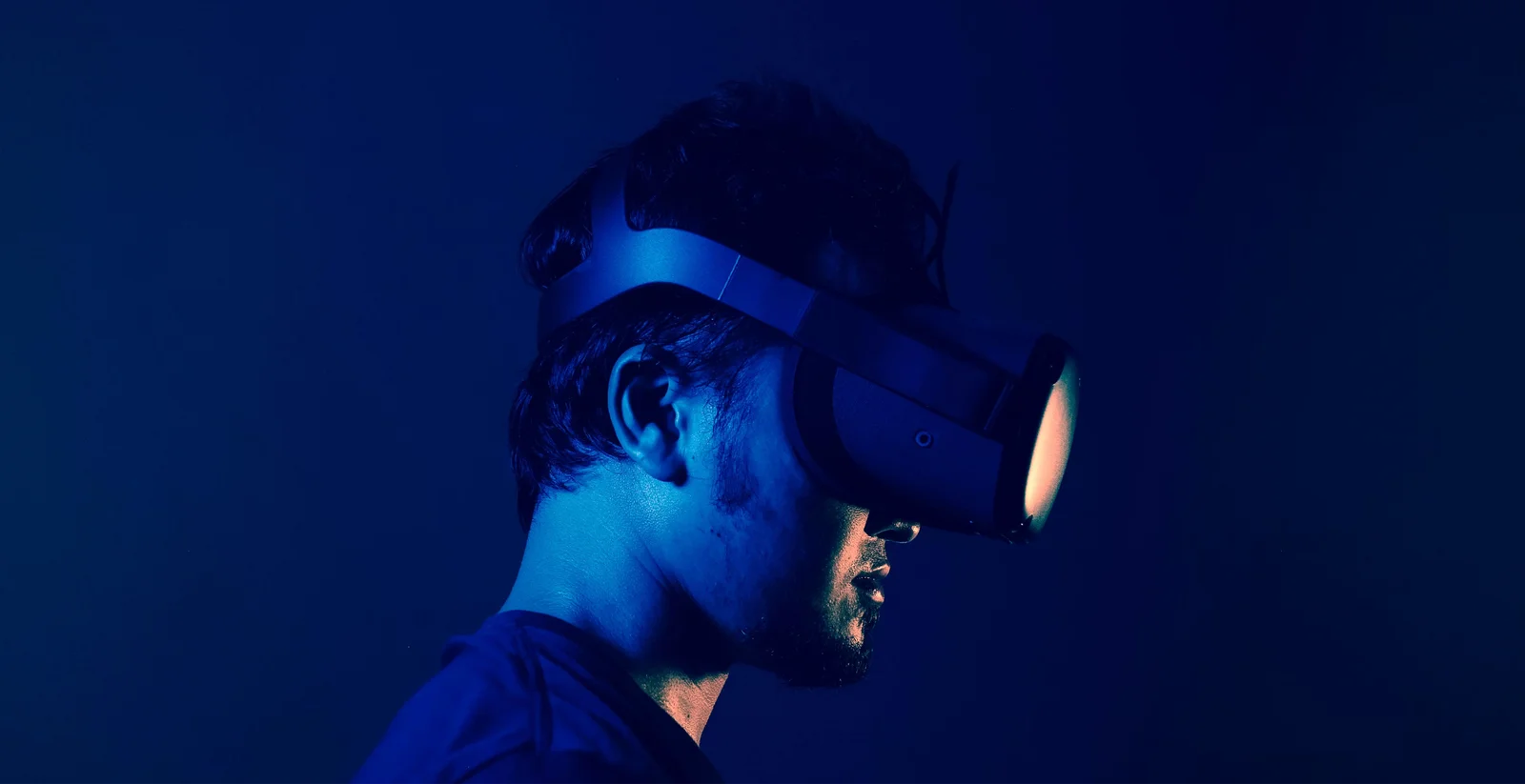
Virtual reality headsets first dazzled gamers with simulated galaxies and immersive quests. Sports scientists soon noticed that the same technology could reproduce match pressure, spatial complexity, and split-second decision trees without expensive travel, weather concerns, or injury risk. Today the conversation moves from laboratory novelty to applied methodology, suggesting that VR may recast the foundation of physical preparation across disciplines.
Performance-tracking platform slimking logs a growing number of elite programs that blend headset sessions with traditional drills. Early statistics reveal higher tactical recall, sharper reaction times, and improved confidence among users, hinting that virtual immersion can prime muscles and cognition together more efficiently than film study alone.
Beyond Film Study: Why VR Feels Like the Next Logical Step
Static video has guided coaching for decades, yet a two-dimensional screen cannot replicate peripheral cues or full-body timing. VR wraps the athlete in authentic sound, depth, and pace, helping the nervous system rehearse real pressure while joints remain fresh. Playbooks become walk-throughs that feel alive; scouting footage turns into first-person rehearsal against upcoming opponents.
Core Advantages VR Offers Over Traditional Tools
Repetition without fatigue — Scenario loops allow hundreds of decision reps while impact stays at zero.
Safe exposure to high-risk moments — Goalkeepers face penalty kicks at lethal speed without bruised ribs or twisted wrists.
Customizable difficulty curves — Algorithms raise tempo as mastery grows, ensuring continual challenge.
Instant performance data — Headset sensors capture gaze direction, foot placement, and reaction frames for immediate review.
Environmental control — Altitude, crowd noise, and lighting shift at the click of a menu, tailoring stress inoculation.
By converting abstract play diagrams into tangible experiences, VR compresses learning cycles that once spanned multiple field sessions.
Cognitive Conditioning Joins Physical Drills
Modern sport values mental agility as highly as raw power. VR situational modules drill anticipation cues, pattern recognition, and emotional composure. A basketball point guard can rehearse reading double-team pressure; a cyclist can memorize cornering sequences on a wind-swept Alpine descent. Each rep encodes nerve-pathways earlier limiting factors like travel budgets or shared venue time.
Coaching staff welcome a bonus: objective metrics. Eye-tracking reveals hesitation zones, while audio response logs highlight communication gaps. Instead of guessing why a lane was missed, staff receive annotated heat maps that shorten feedback loops.
Integration, Not Replacement
Headset time augments turf time, not eliminates it. Dynamic strength, cardiovascular conditioning, and kinesthetic feel remain grounded in physical environments. VR sessions slot into early-week tactical blocks or late-season deload windows, preserving muscle freshness while sharpening game IQ. Sports medicine teams report fewer soft-tissue strains when mental reps displace some high-impact scrimmages.
Practical Steps for Program Adoption
Define clear objectives — Select game situations where visual anticipation outranks raw physical output.
Start with micro-sessions — Ten-minute blocks reduce motion-sickness risk and allow immediate adjustment.
Pair with biometric checks — Heart-rate belts verify arousal levels, ensuring realistic stress without overtraining.
Use multi-angle capture — 360-degree recording of past competitions feeds authentic environments into the headset.
Review collaboratively — Athletes and coaches debrief inside the same virtual scene, aligning language and judgment.
Spacing between lists supports reader comfort and meets structural guidance.
Barriers Still Facing Widespread Use
Cost remains a hurdle for grassroots clubs. High-resolution optics, motion trackers, and software development licenses stretch budgets already strained by travel and nutrition. Technical literacy demands staff training, and motion sickness can sideline sensitive participants. Content quality also matters; a poorly rendered defender model may reinforce incorrect spatial judgment.
Privacy and data security present additional concerns. Motion files, voice chatter, and biometric streams require careful encryption. Governing bodies debate protocol for sharing VR footage with scouting rivals, mirroring existing arguments over training-ground drone video.
Looking Forward: Mixed Reality and Shared Simulation
Next-generation headsets promise pass-through video that blends holographic opponents into real gym space. Wearable resistance bands will sync with virtual tackle forces, offering progressive load without full-contact collisions. Cloud-based matchmaking may let two clubs scrimmage remotely inside a neutral digital stadium, recording synchronized metrics for both teams.
Medical rehabilitation could benefit most. Post-surgery athletes re-enter tactical scenarios months before full clearance, keeping strategic muscles sharp and morale high. VR also democratizes access: young talents from regions lacking advanced facilities can practice elite patterns inside affordable headsets.
Conclusion: Training Without Borders
Virtual reality positions itself as an elastic field, one where weather never interrupts and every play is ready for instant rewind. By merging vivid simulation with precise analytics, the technology promises to elevate preparation while protecting bodies. Adoption costs and technical refinement still stand in the way of universal use, yet early data already persuade leading programs to carve regular headset windows into weekly calendars. When muscle memory and immersive cognition unite, the boundary between rehearsal and performance narrows—pushing sport toward a future where every athlete steps into competition having already lived the moment many times before.