
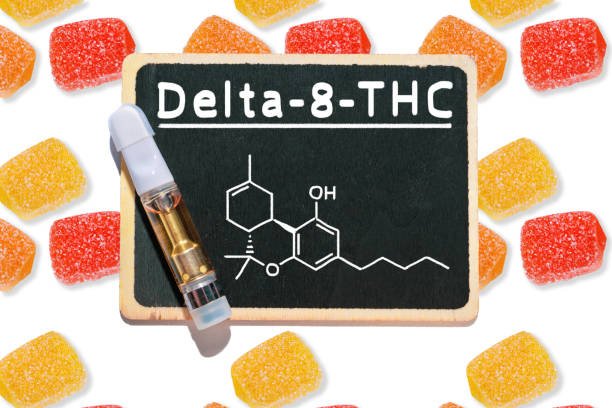
In recent years, Delta 8 THC gummies have gained popularity as a mild, non-psychoactive alternative to Delta 9 THC, which is the main active ingredient in marijuana. Delta 8 gummies are known for their lighter effects, making them potentially suitable for a broader range of users. But, what about children? Can they safely consume Delta 8 gummies, and what benefits might they offer?
What Are Delta 8 Gummies?
Delta 8 THC is a cannabinoid found in cannabis plants, similar to Delta 9 THC, but with a key difference: it produces a milder effect. Delta 9 THC is known for causing a high that can be overwhelming, especially for those who are inexperienced or sensitive. On the other hand, Delta 8 THC is often described as having a more subdued, less potent effect. This makes it potentially safer for various age groups, including children, when used responsibly and under the right circumstances.
Delta 8 gummies are edible products infused with Delta 8 THC, offering a convenient and discreet way to consume this cannabinoid. These gummies are made in various flavors and potencies, allowing users to control their dosage more easily. They have gained significant attention as a mild alternative to Delta 9 gummies, offering a more controlled experience for both adults and, potentially, children.
The Debate: Are Delta 8 Gummies Safe for Children?
The safety of Delta 8 gummies for children is a topic of debate. While Delta 8 THC is less potent than Delta 9 THC, it’s important to note that the effects of any cannabis-derived product on children have not been extensively studied. However, there are some compelling arguments in favor of exploring Delta 8 for pediatric use, especially as an alternative to more traditional treatments for conditions like anxiety, insomnia, and chronic pain.
Mild Effects and Potential Benefits
Delta 8 THC has shown promise in some studies for its potential to alleviate stress, anxiety, and even nausea. For children suffering from conditions like ADHD or autism, the calming properties of Delta 8 may be helpful in managing their symptoms. It may help children unwind after a long day, assist with sleep issues, and potentially alleviate discomfort from conditions like nausea or gastrointestinal disorders.
Many parents and medical professionals have been drawn to Delta 8 gummies due to their potential for promoting relaxation and calmness without the overwhelming “high” associated with Delta 9 THC. For example, Delta 8 gummies may assist children who are hyperactive or have anxiety issues by inducing a state of relaxation, without affecting cognitive function too drastically. Compared to Delta 9 gummies, Delta 8 offers a much gentler experience, making it a more appealing option for children.
Lower Risk of Overconsumption
Another benefit of Delta 8 gummies is their precise dosage. Each gummy contains a specific amount of Delta 8 THC, which helps reduce the likelihood of accidental overconsumption. This is particularly important when giving children any form of medication or supplement. Unlike smoking cannabis, where it’s difficult to measure the exact dose, gummies allow for more control.
Some proponents argue that Delta 8 gummies could be a safer option for children in comparison to traditional pharmaceuticals for anxiety and stress. By offering a more gentle approach, Delta 8 may provide an alternative to medications that could have more severe side effects. While Delta 9 gummies are often sought for their stronger effects, they may not be the best choice for younger users who are still developing their tolerance to cannabinoids.
Non-Psychoactive Effects Compared to Delta 9 Gummies
Unlike Delta 9 THC, Delta 8 THC is known for producing less pronounced psychoactive effects. Children who may be sensitive to the effects of THC may find Delta 8 to be a better option. Delta 9 gummies, often used by adults for their intense effects, could be too potent for children and may result in side effects such as dizziness, nausea, and paranoia. Delta 8, with its milder impact, does not induce the same level of impairment, making it more suitable for younger users in low doses.
For children, Delta 9 gummies could cause confusion or unwanted side effects that make them unsuitable for younger users. On the other hand, Delta 8 THC's milder effects make it an attractive option for parents considering cannabinoid products for their children.
The Importance of Proper Dosage
As with any cannabinoid, dosage is crucial when giving Delta 8 gummies to children. Ingesting too much of any THC, even Delta 8, could lead to unpleasant side effects, such as drowsiness, dizziness, or a racing heart. Experts recommend starting with a very low dose and gradually increasing it to monitor any potential side effects. Parents should always consult a healthcare professional before introducing any cannabinoid-based product, including Delta 8 gummies, to their children.
When compared to Delta 9 gummies, where the dosage is harder to control due to their stronger effects, Delta 8 gummies provide a more manageable solution for children. With Delta 8 gummies, it’s easier to ensure children receive the right dosage for their needs.
Legal Considerations and Parental Guidance
One of the most important factors to consider when giving children Delta 8 gummies is the legal status of Delta 8 THC in your area. While Delta 8 is legal in many states, it is still restricted or regulated in some places, particularly in areas where cannabis use is highly regulated. Additionally, while Delta 8 THC may be legal, it’s crucial to consult with a doctor or pediatrician to ensure it’s a safe option for your child’s specific needs.
Parents should also be mindful of where they store Delta 8 gummies to prevent children from accessing them without supervision. These products should be kept out of reach, just like any other supplement or medication. It’s also important to ensure that Delta 9 gummies are kept separately, as they may pose a higher risk to children due to their stronger effects.
Potential Side Effects of Delta 8 Gummies for Children
While Delta 8 THC is generally considered to be safe and less potent than Delta 9 THC, it is not without its potential side effects. Common side effects may include:
Drowsiness or sedation
Dry mouth
Increased appetite
Dizziness or lightheadedness
Altered motor coordination
These effects are typically mild and short-lived, but they can vary depending on the individual. Children may be more susceptible to these effects, particularly if they are new to cannabinoids. For this reason, it’s essential to monitor your child’s response closely after giving them Delta 8 gummies.
Conclusion: Are Delta 8 Gummies a Good Option for Children?
The potential of Delta 8 gummies to provide a gentle, non-psychoactive solution for various ailments in children is intriguing. With its milder effects and more manageable dosage, Delta 8 could offer a safer alternative to stronger THC products, like Delta 9 gummies, or prescription medications. However, there are still many unknowns regarding the safety and long-term effects of Delta 8 THC on children. Until more research is done, it’s essential that parents approach Delta 8 gummies with caution and always consult with a healthcare provider before introducing them into their child’s routine.
For parents looking to use Delta 8 gummies as a natural remedy for their child, it’s essential to choose high-quality products and follow proper dosage guidelines. Starting with a low dose and carefully monitoring the child’s response is key to ensuring a positive experience. If done responsibly, Delta 8 gummies could offer a promising alternative to other remedies for children’s health and wellness.
Remember, safety always comes first, and with the right precautions, Delta 8 gummies might become a beneficial addition to the growing list of alternatives for children’s health and well-being.