
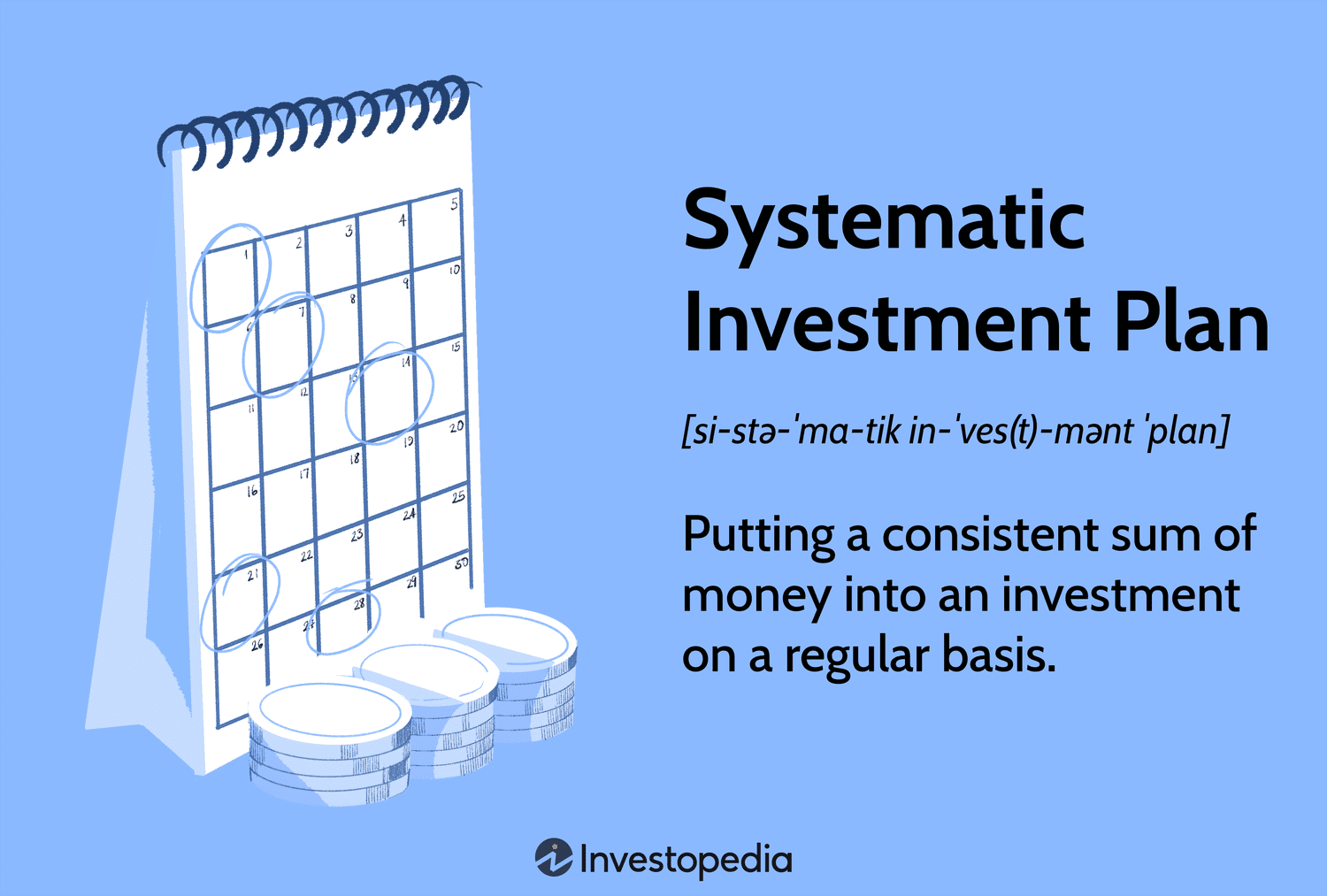
Investing is a key step toward building long-term wealth, but choosing the right investment method is just as important as choosing the right asset. Two of the most common approaches are Systematic Investment Plans (SIP) and lump sum investments. Each has its own advantages, risks, and ideal use cases. Let’s break them down to see which option may suit you better.
What Is SIP Investing?
A SIP involves investing a fixed amount of money at regular intervals—monthly, quarterly, or yearly—into an investment fund. This method promotes discipline and allows investors to spread their investment over time rather than committing a large amount at once.
Benefits of SIP
SIPs reduce the impact of market volatility by averaging the purchase cost over time. Since investments are made regularly, you buy more units when prices are low and fewer when prices are high. SIPs are ideal for salaried individuals and beginners who want steady, stress-free investing.
What Is Lump Sum Investing?
Lump sum investing means investing a large amount of money in one go. This approach is often used when an investor has surplus funds, such as bonuses, savings, or inheritance, and wants immediate market exposure.
Benefits of Lump Sum Investments
Lump sum investments can generate higher returns if invested during favorable market conditions. When markets rise over the long term, investing early allows your money more time to grow through compounding.
Risk and Market Timing
Market timing plays a bigger role in lump sum investing. If invested at a market peak, short-term losses can be significant. SIPs, on the other hand, reduce timing risk by spreading investments across market cycles, making them less stressful during volatile periods.
Which Is Better for Beginners?
For new investors, SIPs are generally safer and easier to manage. They encourage consistency, reduce emotional decision-making, and don’t require deep market knowledge.
Which Is Better for Long-Term Investors?
Both methods can be effective for long-term wealth creation. SIPs work well for consistent income earners, while lump sum investing suits those with strong market understanding and surplus capital available at the right time.
Can You Combine SIP and Lump Sum?
Yes. Many investors use a hybrid approach—continuing SIPs for regular investing while deploying lump sum amounts during market corrections or when extra funds are available. This strategy balances discipline with opportunity.
Conclusion
There is no single “better” choice between SIP and lump sum investing—it depends on your financial situation, risk tolerance, and investment goals. SIPs offer stability and discipline, while lump sum investments can deliver higher returns when timed well. Understanding both methods helps you make smarter, more confident investment decisions.