
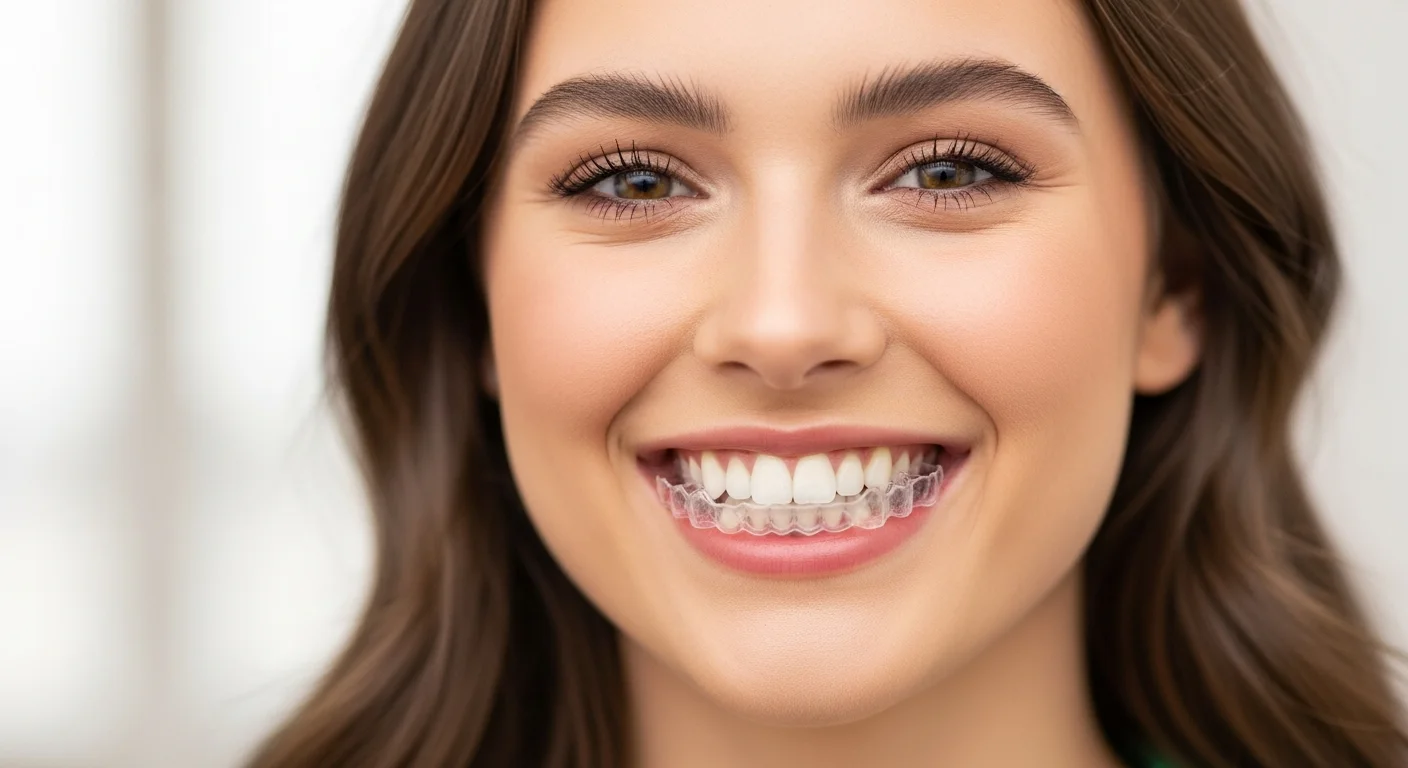
When it comes to modern orthodontic treatments, Invisalign has become one of the most popular choices for people seeking a straighter, healthier, more confident smile. Patients often choose Invisalign in Dubai over traditional metal braces because of its discreet appearance and comfort. But many don’t realise that one of the key components that make Invisalign so effective in guiding teeth into precise positions is something called attachments. These small but powerful additions play a major role in how your teeth move during treatment, so it’s worth understanding them if you’re considering clear aligners.
What Are Invisalign Attachments?
Attachments are tiny, tooth‑coloured bumps usually made of composite resin that your orthodontist places on selected teeth. They may look subtle, and in most cases are barely noticeable once the clear aligners are in place. But these small additions act like “handles” that help the aligner grip the tooth more effectively, allowing your aligners to guide movement more precisely.
While Invisalign is well known for its nearly invisible aligners, attachments help ensure that even complex movements can be achieved without metal wires or brackets. They are custom‑designed to match your unique treatment plan and are removed once your Invisalign journey is complete.
Why Are Attachments Needed?
Unlike traditional braces, which use brackets and wires attached directly to teeth to exert force, clear aligners rely on a snug fit. Because teeth don’t always move the same way in every direction, aligners alone may not be enough to produce certain tilts and rotations. This is where attachments come in.
Think of your teeth as having different jobs; some need to shift forward, others rotate, and some may need a bit of torque to get into the perfect position. Attachments provide the precise leverage points that help your aligners control these movements with greater accuracy. Without them, your aligners might struggle to guide the teeth exactly where they need to go.
How Attachments Help Tooth Movement
Here’s how Invisalign attachments enhance the effectiveness of your treatment:
1. Improved Force Control: Attachments act like anchors that give aligners something solid to push against. This makes it easier for them to produce controlled, predictable movements.
2. Better Rotation: Some teeth need to be rotated to fit correctly into your smile. Attachments allow aligners to create rotational forces that would be difficult to achieve otherwise.
3. Torque Adjustments: Certain teeth require a torque, a tipping or turning motion that’s necessary to align them properly in three dimensions. Attachments give aligners the grip needed to apply torque effectively.
4. Complex Movement: For more complicated cases involving bite issues or significant shifts, attachments ensure that the aligners maintain consistent pressure throughout the treatment period.
Without these small additions, aligners might simply slide over the surface of the tooth without generating enough force to move them as planned. In other words, attachments help aligners become active tools, instead of passive trays.
What Does the Process Look Like?
Placement of attachments is a simple, pain‑free procedure that typically takes just a few minutes per tooth. Your orthodontist will use a dental adhesive to bond each attachment to the surface of selected teeth. Once your aligners are created by Invisalign based on your custom 3D treatment plan, they will fit snugly over these attachments.
As you progress through each set of aligners, your teeth gradually shift into the desired alignment, with attachments providing the “push” or “pull” needed at exactly the right time. Most attachments are so discreet that they are barely visible when you smile.
Are Attachments Painful or Noticeable?
Because attachments are made from composite resin, the same material used for tooth‑coloured fillings, they blend well with your natural tooth colour. Many patients barely notice them once their aligners are in place.
During the first few days after placement, you might feel minor pressure as your teeth adjust to the aligners. This sensation is actually a sign that the aligners and attachments are working together to gently move your teeth, and it’s usually minimal compared to the discomfort often associated with traditional braces.
How Many Attachments Will You Need?
Not every Invisalign case requires attachments on all teeth. The number and placement depend on your specific orthodontic needs. Some patients may only need a few attachments on select teeth, while others may require more if their plan involves significant movement. Your orthodontist will explain exactly how many attachments you need before treatment starts.
Attachments and Invisalign Treatment Time
Some patients worry that attachments will extend their treatment timeline, but in reality, they often help keep their Invisalign treatment on track. By enabling more precise movement, attachments can help reduce delays and adjustments that might otherwise occur if teeth were resisting movement.
This means fewer unexpected refinements and appointments, and ultimately a smoother, more predictable journey to your ideal smile.
Invisalign Cost in Dubai: What to Expect
If you’re considering aligner treatment, cost is a common question. The Invisalign cost Dubai varies depending on factors such as the complexity of your case, the number of aligners needed, and the specific clinic’s pricing structure. Clinics in Dubai typically range between roughly AED 8,000 and AED 25,000 or more for full Invisalign treatment, with more complex cases on the higher end.
While attachments themselves are usually included as part of your comprehensive treatment plan with a reputable clinic, it’s always best to confirm this with your orthodontist during your initial consultation.
The value of Invisalign, including attachments, lies in the precision, comfort, and aesthetic benefits that make tooth movement far more discreet and manageable than traditional braces.
Conclusion
Attachments might be small, but their role in Invisalign treatment is massive. They enable clear aligners to move teeth with precision, allowing for rotations, torque, and controlled movements that would otherwise be difficult or impossible to achieve. For anyone considering Invisalign in Dubai, understanding how attachments contribute to successful tooth movement helps you appreciate why Invisalign is so effective, comfortable, and discreet.
For those seeking dental treatment services, Queens Medical Center in Dubai provides expert Invisalign treatment with personalised plans, advanced digital technology, and transparent pricing. Their skilled dental specialists ensure every patient enjoys a comfortable, precise, and effective journey to a perfect smile. From teeth alignment to aesthetic enhancements, Queens Medical Center combines modern techniques with compassionate care, delivering lasting results and confident, healthy smiles for all patients.