
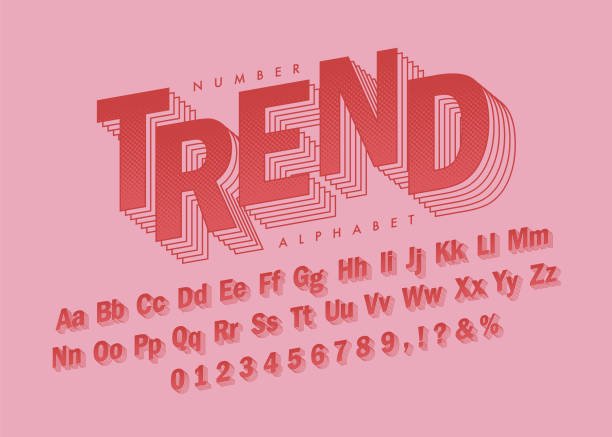
Personal branding on social media is built from small, repeated signals. Profile photos, usernames, bios, captions, and highlights all contribute to how a person is perceived. Among these elements, font style is one of the most overlooked yet influential factors. Fonts shape tone, personality, and credibility before a single word is consciously read.
As social platforms become more crowded, users rely on visual shortcuts to decide who to follow, trust, or ignore. Unique font styles act as those shortcuts. They help profiles feel intentional, recognizable, and emotionally consistent across different platforms and audiences.
Why Font Choice Instantly Shapes First Impressions
The human brain processes visual style faster than text meaning. Before readers understand what a bio or caption says, they register how it looks. Font weight, spacing, and structure immediately suggest mood, confidence, and seriousness.
When users encounter unfamiliar profiles, they make split-second judgments. A clean, readable font feels calm and reliable. A decorative or playful font feels expressive and personal. A chaotic or overstyled font can feel confusing or untrustworthy.
This effect explains why people scrolling through feeds may stop at profiles that visually feel right, even if the content itself is similar to others.
Fonts As Signals Of Intent And Identity
Font styles quietly communicate intent. Professional creators often choose simple, consistent fonts to signal clarity and authority. Creative users lean into stylized or symbolic fonts to express individuality. Casual users mix fonts to reflect spontaneity or humor.
During casual browsing sessions, people might switch between activities like checking messages or exploring entertainment options such as parimatch instant win slots, yet font-driven profiles still stand out because they communicate identity instantly without requiring focus.
This is why font choice is not decoration. It is positioning. It tells viewers what kind of interaction to expect before they engage.
Consistency And Brand Recognition Over Time
Strong personal brands feel familiar even when content changes. Font consistency plays a major role in this recognition. When the same or similar font style appears in bios, captions, highlights, and usernames, it creates a visual signature.
Over time, audiences associate that style with a specific person. This reduces cognitive effort and builds trust. Inconsistent font usage, on the other hand, weakens identity and makes profiles feel scattered.
Consistency does not mean rigidity. Small variations can exist, but the underlying visual language should remain stable across platforms.
How Fonts Influence Perceived Credibility
Credibility is not only built through content quality. Presentation matters. Clean, readable fonts suggest professionalism and reliability. Overly complex or hard-to-read fonts can reduce trust, even if the message itself is valid.
This effect is especially strong in niches involving advice, education, or transactions. Users subconsciously equate clarity with competence. A profile that looks organized feels more believable.
This does not mean creative fonts are wrong. It means they must match the role the user wants to occupy in that space.
Emotional Tone And Psychological Association
Fonts carry emotional weight. Rounded fonts feel friendly and approachable. Sharp or narrow fonts feel serious and intense. Script fonts feel personal and expressive, while block fonts feel bold and assertive.
When used intentionally, these associations reinforce message tone. A motivational account using soft, flowing fonts feels encouraging. A fitness or discipline-focused account using strong fonts feels driven and focused.
Misalignment creates friction. If tone and font clash, users feel subtle discomfort even if they cannot explain why.
Readability And Platform Constraints
Social media platforms were not designed for heavy typography customization. Font generators rely on Unicode characters, which can affect readability and compatibility. What looks good on one device may break on another.
Personal branding benefits when fonts remain readable across screens. Sacrificing clarity for uniqueness often backfires. Users skip content they struggle to read.
Effective font usage balances style and accessibility. The best fonts feel distinctive without demanding extra effort from the reader.
Font Overuse And Visual Fatigue
One common mistake is using too many font styles at once. Mixing multiple decorative fonts in a single bio or caption overwhelms the viewer and dilutes impact.
Visual fatigue causes users to disengage quickly. Instead of standing out, the profile feels noisy. Strong branding relies on restraint as much as creativity. Using one primary font style with occasional emphasis is more effective than constant variation.
Cultural And Platform-Specific Perceptions
Font perception varies across cultures and platforms. What feels stylish on Instagram may feel unprofessional on LinkedIn. What works in gaming communities may feel out of place in educational spaces.
Personal branding improves when font choices respect platform norms while adding personal flair. Ignoring context weakens the connection with the intended audience. Understanding where and how your audience interacts shapes better visual decisions.
Long-Term Impact On Personal Identity Online
Fonts become part of digital identity memory. Over time, users associate certain visual patterns with personalities they recognize. This creates emotional continuity across posts and interactions.
Changing font styles frequently can feel like changing tone or personality. While evolution is natural, constant shifts reduce familiarity. Stable visual identity supports long-term growth and audience loyalty.
Conclusion
Unique font styles influence personal branding by shaping perception before content is read. They signal intent, emotion, credibility, and personality in seconds. When used consistently and thoughtfully, fonts become part of an individual’s digital signature.
Effective personal branding does not rely on complexity. It relies on clarity, alignment, and repetition. By choosing font styles that reflect identity and respect platform context, users strengthen recognition and trust across social media without saying a word.