
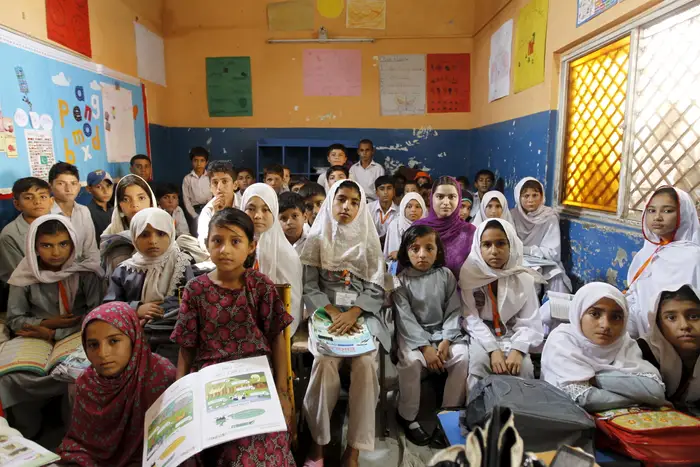
Education plays a crucial role in shaping societies, economies, and future generations. While the goal of learning is universal, education systems vary widely across countries due to cultural values, economic conditions, government policies, and historical influences. Understanding these differences offers insight into how nations prepare students for life and work.
Structure of Education Systems
Education systems around the world differ in how they are structured. Some countries follow a centralized system where the national government controls curriculum and standards, while others use decentralized models allowing regional or local authorities to shape education. The length of primary, secondary, and higher education also varies significantly.
Teaching Styles and Classroom Approach
Teaching methods differ greatly across cultures. In some regions, education emphasizes memorization, exams, and structured instruction. In others, classrooms focus on creativity, discussion, problem-solving, and student participation. These approaches reflect how societies view authority, independence, and learning styles.
Curriculum Focus and Subjects
Different countries prioritize different subjects. Some education systems strongly emphasize science, technology, engineering, and mathematics, while others give more importance to arts, humanities, and social studies. Language education also varies, with many countries teaching multiple languages from an early age.
Assessment and Evaluation Methods
Student evaluation methods differ worldwide. Some systems rely heavily on standardized exams and rankings, while others use continuous assessment, project work, and teacher evaluations. High-stakes testing can influence stress levels, competition, and learning outcomes.
Role of Technology in Education
Access to technology in education varies based on a country’s resources and infrastructure. Some nations integrate digital tools, online learning, and smart classrooms extensively, while others still rely on traditional textbooks and face-to-face instruction due to limited access.
Cultural Influence on Education
Culture strongly shapes education systems. Societies that value discipline and respect for authority may emphasize formal teaching, while cultures encouraging individuality often support flexible learning environments. Parental involvement and societal expectations also play a major role.
Access and Equality in Education
Not all education systems provide equal access. Differences exist in funding, teacher availability, and school quality between urban and rural areas. Some countries offer free education through higher levels, while others depend heavily on private institutions.
Preparing Students for the Future
Education systems also differ in how they prepare students for careers. Some focus on academic pathways, while others emphasize vocational training, apprenticeships, and practical skills. These choices impact workforce readiness and economic development.
Conclusion
Education systems around the world reflect each country’s values, priorities, and challenges. While no single system is perfect, understanding these differences highlights the diverse ways nations approach learning and development. Studying global education models can inspire improvements and innovations that benefit students everywhere.