
Ants are among the most persistent and resourceful insects, often appearing inside homes that seem completely sealed from the outside. Homeowners are frequently puzzled by the sudden appearance of ant trails in kitchens, bathrooms, and other living spaces, especially when there are no obvious cracks or gaps for entry. The ability of ants to infiltrate even the most well-maintained homes raises questions about their navigation skills, physical capabilities, and the hidden vulnerabilities in modern construction. Understanding how ants manage to find their way inside is essential for preventing infestations and maintaining a comfortable, pest-free environment.
How ants infiltrate sealed homes
The remarkable senses of ants
Ants possess highly developed sensory abilities that allow them to detect even the smallest opportunities for entry into homes. Their antennae are equipped with sensitive receptors that can pick up chemical signals, vibrations, and changes in air currents. These senses help ants locate food sources, water, and potential nesting sites, even when these resources are hidden behind walls or beneath floors. Ants are also able to sense temperature gradients and humidity, which can guide them toward areas of a home that are more likely to provide the conditions they need to survive. Even if a house appears sealed to the human eye, ants can find microscopic openings that go unnoticed. These tiny gaps may be found around window frames, door thresholds, plumbing penetrations, or electrical outlets. Over time, ants can exploit these minuscule vulnerabilities, using their small size and flexible bodies to squeeze through spaces that are invisible to homeowners.
How ants exploit hidden entry points
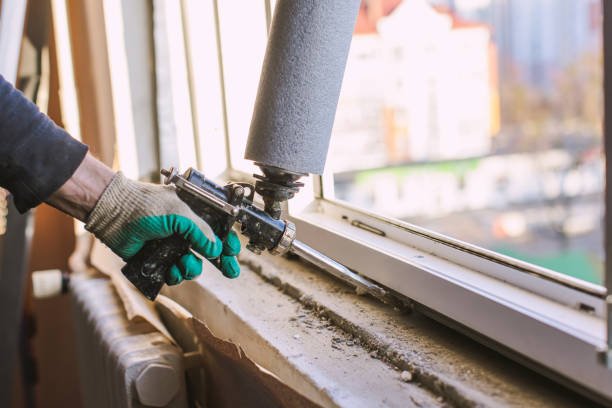
The construction of modern homes often leaves behind tiny imperfections that ants can exploit. Caulking and weatherstripping may degrade over time, creating hairline cracks that are just wide enough for ants to pass through. Additionally, utility lines, vents, and pipes that enter the home from the outside can leave behind small gaps, even when sealed with foam or other materials. Ants are adept at following the scent trails left by other members of their colony, which allows them to quickly locate and utilize these hidden entry points. Once a few scout ants have found a way inside, they lay down pheromone trails that guide the rest of the colony directly to the source of food or water. This collective behavior makes it difficult to stop an infestation once it has begun, as ants can rapidly adapt to changes in their environment and find new routes if their original entry points are blocked. For those seeking ant control Indianapolis, understanding these behaviors is crucial for identifying and addressing the root causes of recurring infestations.
Ants’ ability to navigate complex environments
Ants are renowned for their ability to navigate complex and unfamiliar environments with remarkable efficiency. Their navigation relies on a combination of chemical cues, visual landmarks, and even the Earth's magnetic field. When ants enter a home, they often explore the area thoroughly, mapping out potential routes to and from food sources. This exploration is not random; ants use a systematic approach, relying on their acute sense of smell to detect food particles, moisture, or other attractants. Once a successful path is established, ants reinforce it with pheromones, making it easier for other members of the colony to follow. This process allows ants to quickly adapt to changes in their environment, such as blocked entry points or new obstacles. Even if a homeowner seals one crack, ants may find another, often in places that are difficult to access or even see. Their persistence and adaptability make them formidable invaders, capable of infiltrating homes that appear completely secure.
Why ants target certain homes
Ants are attracted to homes for a variety of reasons, most commonly the availability of food and water. Kitchens, pantries, and bathrooms are frequent targets because they offer easy access to crumbs, spills, and moisture. Even the smallest amount of sugar or grease can attract a trail of ants, who then communicate the location to the rest of the colony. Homes with high humidity, leaky pipes, or poor ventilation are particularly vulnerable, as these conditions create an ideal environment for ants to thrive. Additionally, the presence of pet food, open garbage cans, or improperly stored pantry items can serve as strong attractants. Seasonal changes also play a role, as ants may seek shelter indoors during periods of heavy rain, drought, or extreme temperatures. Understanding what draws ants to a particular home is an important step in preventing future infestations and maintaining a clean, uninviting environment for these persistent pests.
The role of colony behavior in home invasions
Ant colonies operate as highly organized social systems, with each member performing specific roles that contribute to the survival of the group. When it comes to invading homes, scout ants are responsible for searching out new sources of food and water. Once a scout discovers a promising location, it returns to the colony and recruits other workers by laying down a pheromone trail. This chemical communication system allows large numbers of ants to quickly mobilize and exploit new resources. The colony's ability to coordinate its efforts makes it difficult for homeowners to eliminate an infestation by simply killing the ants they see. Unless the source of the problem is addressed—such as sealing entry points and removing attractants—the colony will continue to send scouts in search of new opportunities. This relentless search for resources is what enables ants to persistently find their way into homes, even when entry points are not immediately obvious.
How to reduce ant entry
Preventing ants from entering a home requires a combination of vigilance and proactive maintenance. Regularly inspecting the exterior of the house for cracks, gaps, or deteriorating seals can help identify potential entry points before ants discover them. Keeping food stored in airtight containers, cleaning up spills promptly, and addressing moisture issues such as leaky pipes or standing water can make a home less attractive to ants. Trimming vegetation away from the foundation and ensuring that mulch or soil does not come into direct contact with exterior walls can also reduce the likelihood of ants finding a way inside. While it may not be possible to eliminate every tiny opening, reducing the number of attractants and potential entry points can significantly decrease the chances of an infestation. Consistent effort and attention to detail are key to keeping ants at bay and maintaining a comfortable living environment.
Ants and hidden vulnerabilities
Even the most well-built homes have hidden vulnerabilities that ants can exploit. Construction materials naturally expand and contract with changes in temperature and humidity, which can create small gaps over time. Settling foundations, shifting soil, and routine wear and tear can all contribute to the formation of new entry points. Ants are constantly on the lookout for these opportunities, using their keen senses and persistent behavior to find ways inside. Homeowners may not notice these vulnerabilities until an infestation has already begun, making it important to remain vigilant and address potential issues as soon as they arise. Regular maintenance and prompt repairs can help minimize the risk of ants finding their way into a home, but it is important to remember that no structure is completely impervious to these determined insects.
Conclusion
Ants are remarkably skilled at finding their way into homes, even those that appear completely sealed from the outside. Their advanced sensory abilities, collective behavior, and adaptability allow them to exploit the smallest vulnerabilities in modern construction. By understanding how ants navigate, what attracts them, and the hidden entry points they use, homeowners can take proactive steps to reduce the risk of infestation. Regular maintenance, prompt repairs, and careful attention to food and moisture sources are essential for keeping ants at bay. While it may not be possible to eliminate every potential entry point, a combination of vigilance and preventive measures can help maintain a comfortable, ant-free home.