
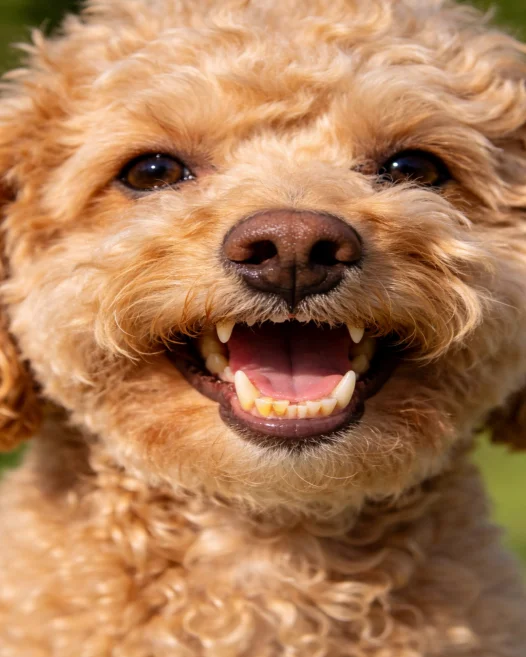
Anyone who has raised a dog knows that dogs have plaque and bad breath is really annoying, I believe you often ask your furry children why their mouths smell so bad. Recently, many shoveling officers have asked me: Are dog dental drinking water additives really effective? Just add water to it, is it an IQ tax or can it really clean your teeth? Today, I will explain the real effect and how to choose it at one time.
1. Evaluation of dog dental drinking water additives
For example, drinking water additives with peony peel extract and menthol can reduce inflammation, relieve red and swollen gums, and freshen breath through a cooling sensation. Let's take a look at the comprehensive evaluation of most pet bloggers:
Auxiliary cleaning effect: Some toothwashes contain antibacterial ingredients that can inhibit oral bacteria and reduce plaque and bad breath.
Easy to use: Suitable for dogs that resist brushing, especially small dogs, it can be used as a supplementary means of brushing.
Improve bad breath: It can cover bad breath in the short term, but it is necessary to find the root cause without curing the symptoms.
☀ What are the side effects of dog water additive for teeth?
The toothwash containing xylitol is toxic to dogs, and reaching a certain dose will cause poisoning symptoms. Some brands of toothpaste water have caused widespread controversy due to the content of xylitol, and although manufacturers say that the content is very small, veterinarians still recommend avoiding it altogether. Harsh ingredients such as alcohol can disrupt the pH balance of the mouth, causing inflammation of the gums or the digestive system not suitable.
2. Veterinarian recommended drinking water additives for dog teeth
Today, I will share with you some practical tips recommended by veterinarians for buying pet teething water to help you avoid those pitfalls.
● Ingredient Selection:
First of all, when we look at the ingredient list of drinking water additives, we should include lysozyme, vitamins, tea polyphenols and citric acid, which can effectively clean the mouth and soothe the gums, reducing the risk of allergies. Try to avoid products that contain alcohol, preservatives, and fragrances, which can irritate your dog's mouth.
● Targeted selection:
Choose the right teething water according to your dog's oral condition. If your dog has plaque or bad breath, you can choose a product with strong stain removal and breath freshening effects; For dogs with sensitive gums, choose a gentle and non-irritating formula.
☀ What dissolves plaque on dogs' teeth?
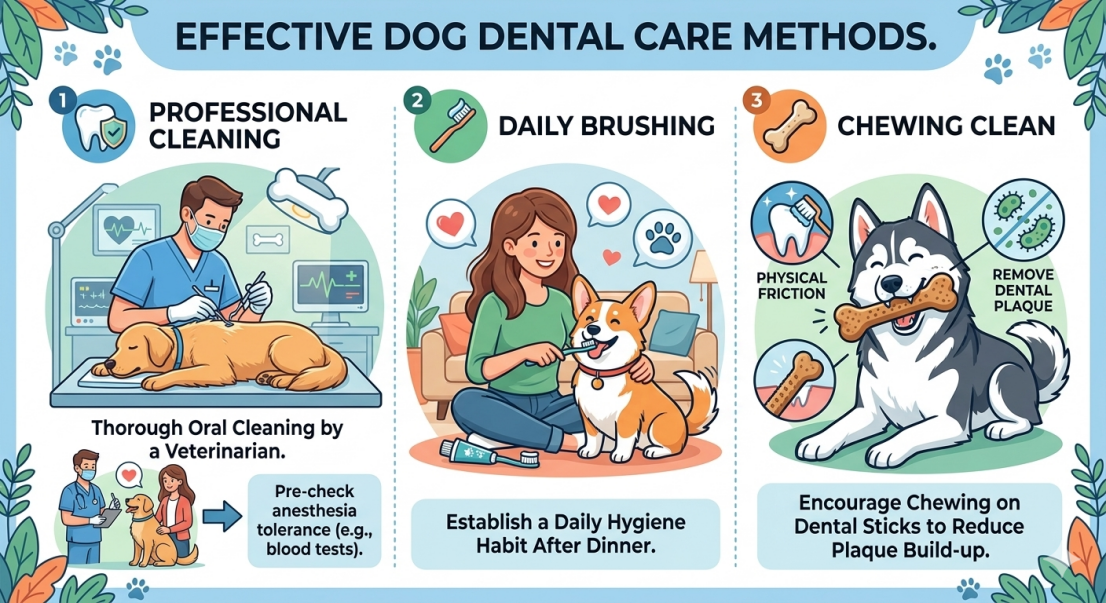
Want to keep your dog's mouth healthy? Here are three effective ways to remove plaque from your dog's teeth:
● Professional Scaling:
Veterinarians can provide professional scaling services that can thoroughly clean the mouth but usually require anesthesia. Before the operation, take your dog to check whether it tolerates anesthesia.
● Daily brushing:
Every day after dinner, take a little time to brush your dog's teeth, develop the habit of maintaining dog oral hygiene, and all shoveling officers must participate in the action of brushing their teeth, so that it will become more meaningful and enhance the relationship with the dog.
● Chewing Cleaning:
Encourage dogs to remove plaque by chewing, such as chewing dental cleaning sticks to create physical friction, and over time, gradually remove plaque from the dog's teeth.
3. Which is safer, natural water additives for dog teeth or finished drinking water additives?
Truly safe dog teething water must have clear ingredients, no alcohol, no fragrance, no irritating preservatives, preferably edible-grade formula, and avoid xylitol, sodium benzoate, which are toxic to dogs. Don't blindly superstitious about "natural", there is a risk if there are no standard full ingredients and unknown plant extracts, and the finished toothbrush that has been formally tested is actually safer and more assured.
☀ What to add to water to clean dogs' teeth?
You can prepare a handful of horsetail grass first, add hot water and soak for a few minutes until the grass is slightly soft.
Then use the soaked horsetail to gently rub the dog's teeth and tartar in circular motions for a few minutes. Do this two to three times a week
❤ Tips: Don't give the water to the dog! Don't let it touch.
In addition to weekly cleaning, you can also gently wipe the dog with dental wipes after meals to help it keep its mouth clean.
4. The best dental drinking water additives for dogs
It is recommended to give preference to products that have passed VOHC certification or use physical cleaning methods such as teething sticks. Toxic dental drinking water additives such as xylitol should not be found in dog dental cleaning products, even at low doses.
5. Safety precautions for using dental drinking water additives
Choose a formula specifically designed for pets with mild peppermint extract, which is gentle and non-irritating to dogs. Do not choose dental cleaning products containing xylitol, alcohol, fragrances and other dental cleaning products.
When using dog dental drinking water additives, dilute them strictly in proportion: add 10ml of dental cleaning water to every 500ml of water to avoid excessive doses causing the dog to become uncomfortable, and observe the dog's reaction at any time after drinking. In the period of rejection or sensitivity (e.g. after tooth replacement and scaling), prefer products with a pH value between 6.8 and 7.2.
6. FAQs
✨ What's the best water additive for dogs?
According to Monique Feyrecilde, a licensed veterinary technician and behavioral specialist at Mercer Island Veterinary Clinic in Seattle, Washington, dog teeth drinking water additives work by utilizing enzyme components to break down tartar and eliminate bad breath.
Be sure to choose VOHC-certified products to ensure they do not contain ingredients that are toxic to dogs, such as xylitol or birch sugar. Dog owners should only use mouthwashes designed for dogs and never human mouthwashes!
✨ Is it okay to scrape plaque off dogs' teeth?
Before plaque forms tartar, pet-specific tools can be used in conjunction with it.
Start by applying a dental cleaning gel to your dog's tartar and wait a few minutes.
After the dental gel softens the tartar, gently scrape the tartar with a tool, remember to be gentle so as not to hurt your dog's gums!
✨ What breed of dog has the most dental problems?
Toy dogs and small dogs such as Pompeo, Pomeranian, and Italian Greyhound are particularly prone to chronic bad breath and dental problems. They have little mouth space, plaque and tartar grow very quickly, and the risk of tooth decay and periodontal disease is much higher than that of large dogs.