
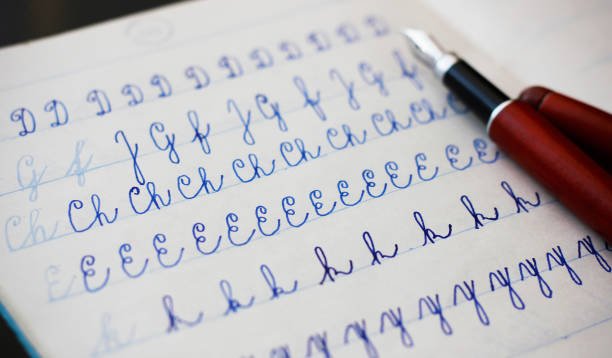
Cursive writing has been a fundamental part of education for centuries. Whether you are a parent helping your child develop handwriting skills, a student looking to improve your penmanship, or an adult who simply wants to reconnect with this classic art form, this cursive writing guide will walk you through everything you need to know. From understanding its benefits to mastering cursive letters and their formation, this guide covers it all.
What Is Cursive Writing?
Cursive writing is a style of penmanship where letters within a word are connected in a flowing, continuous stroke. Unlike print writing, where each letter is formed separately, cursive allows the pen or pencil to remain on the paper as it moves from one letter to the next. This creates a more fluid and often faster writing style.
There are several styles of cursive, including D'Nealian, Zaner-Bloser, and Spencerian script. Each has its own approach to letter formation and slant, but all share the core characteristic of connected, flowing letters.
Why Learn Cursive Writing? Key Benefits
Many people wonder whether cursive writing is still relevant in the digital age. The answer is a resounding yes. Here are some compelling reasons to learn or relearn cursive:
1. Boosts Brain Development
Research has shown that writing in cursive engages more areas of the brain compared to typing or print writing. The fine motor skills required to form connected letters activate neural pathways associated with thinking, language, and working memory. For children especially, practicing cursive can support cognitive development and improve reading comprehension.
2. Improves Writing Speed
Once you master cursive, writing becomes noticeably faster. Because the pen does not need to lift off the page between letters, words can be formed in a single, smooth motion. This is particularly useful for students taking handwritten exams or anyone who needs to jot down notes quickly.
3. Enhances Fine Motor Skills
The controlled, deliberate movements involved in cursive writing strengthen hand muscles and improve coordination. This is particularly beneficial for young learners who are still developing their fine motor control.
4. Preserves a Cultural and Historical Skill
Being able to read and write cursive means you can access historical documents, personal letters, and manuscripts that were written in this style. From the Declaration of Independence to old family correspondence, cursive literacy connects you to a rich cultural heritage.
How to Start Learning Cursive Writing
Starting cursive writing does not require expensive materials or professional instruction. With the right approach and consistent practice, anyone can develop beautiful cursive handwriting.
Step 1: Gather the Right Tools
Before you begin, make sure you have the essentials:
A smooth ballpoint or fountain pen
Lined or cursive practice paper
A cursive alphabet chart for reference
A quiet, comfortable workspace
Step 2: Learn Lowercase Letters First
Most cursive writing guides recommend starting with lowercase letters, as they form the foundation of everyday writing. Practice each letter individually, paying close attention to entry strokes and exit strokes, which are the connections that link one letter to the next.
Step 3: Master Uppercase Letters
Uppercase cursive letters are often more decorative and complex. Once you are comfortable with lowercase letters, move on to capitals. Focus on the letters you use most frequently in your name or daily writing.
Step 4: Practice Words and Sentences
Once individual letters feel comfortable, start connecting them into simple words. Classic practice sentences like "The quick brown fox jumps over the lazy dog" are excellent because they include every letter of the alphabet. Gradually work up to writing full paragraphs.
Common Mistakes to Avoid
Many beginners make similar errors when learning cursive. Being aware of these pitfalls can help you progress more quickly:
Gripping the pen too tightly, which causes hand fatigue and inconsistent strokes
Rushing through letters before mastering their basic form
Inconsistent letter sizing and spacing
Ignoring the natural slant of the writing style you are learning
Tips to Improve Your Cursive Writing Faster
Consistent practice is the most important factor in improving your cursive handwriting. Here are a few additional tips to accelerate your progress:
Practice for 10 to 15 minutes daily rather than long, infrequent sessions
Copy passages from books or articles to build real-world practice
Review your writing critically and identify letters that need more work
Use cursive writing worksheets, which provide guided templates to follow
Final Thoughts
Learning cursive writing is a rewarding journey that offers benefits far beyond the classroom. This cursive writing guide has outlined the foundational steps to get you started, from understanding the basics to avoiding common pitfalls and building consistent practice habits. Whether you are teaching a young child or rediscovering the skill yourself, cursive writing is a timeless craft worth mastering. Pick up your pen, follow the steps, and enjoy the process of developing your own unique cursive style.